Celebrating National Work Zone Awareness Week
April 25, 2025
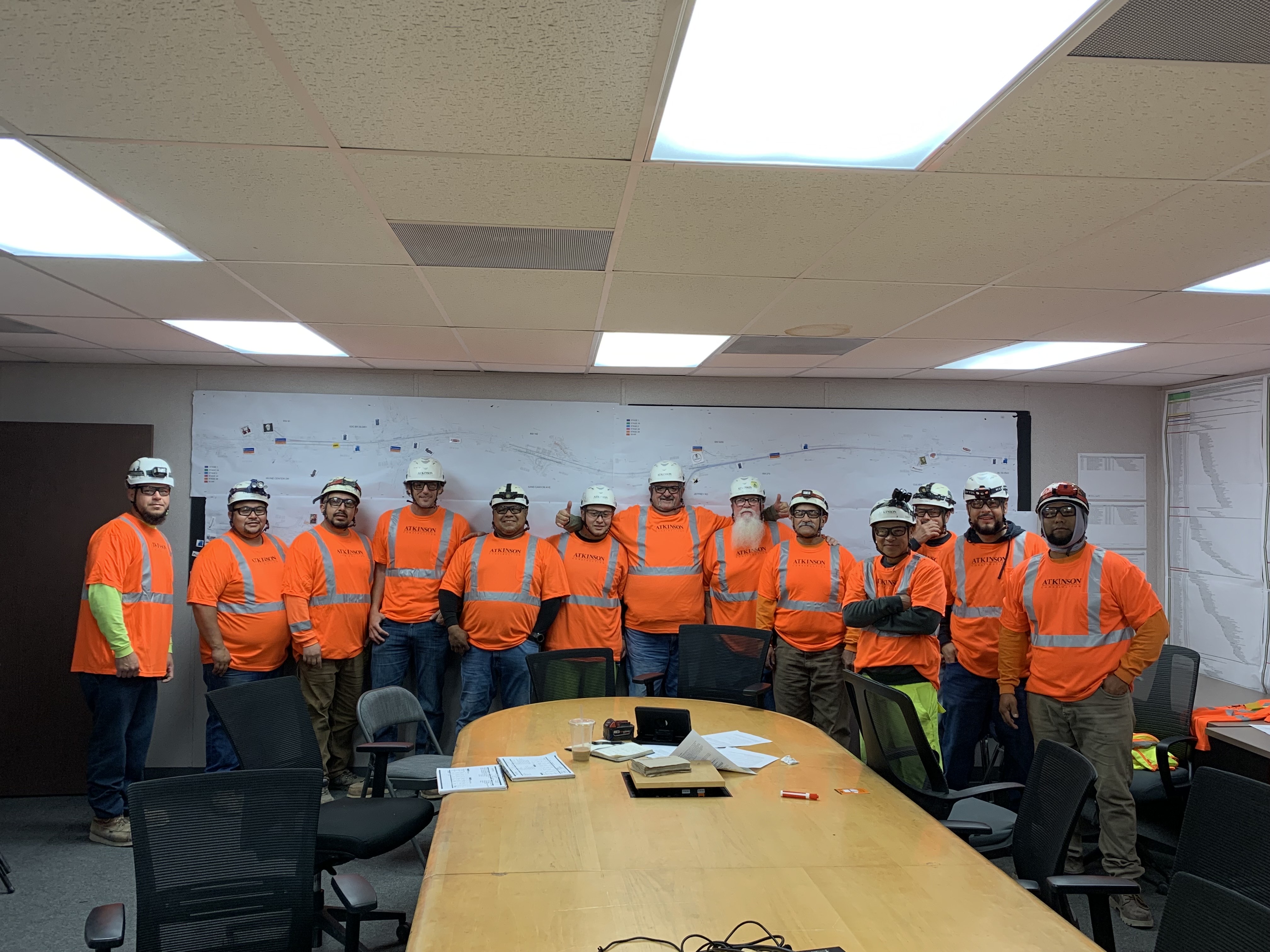


For National Work Zone Awareness Week, we’re recognizing the critical role our Traffic Control Supervisors play in keeping both our crews and the traveling public safe. Their expertise and planning are essential to creating safe, efficient work zones every day. At Atkinson, safety isn’t just a priority—it’s how we build what matters.
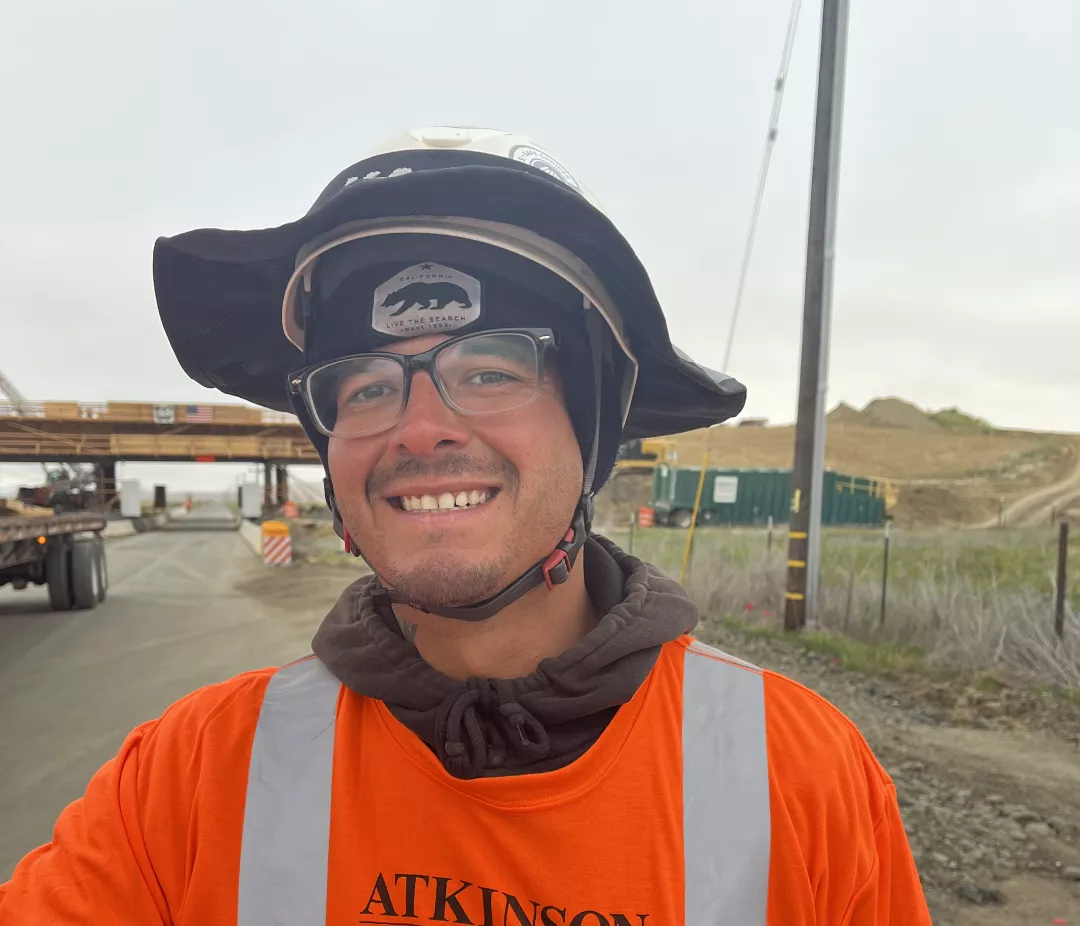
Angel Rabang | I-5 Marine View Drive
What does a typical day look like for you in your traffic control role?
"Preplanning, organizing, and loading traffic control signs needed for the night, preloading electronic messages signs for the night, lining out the traffic control crew for signage locations, set closures, monitor closures, coordinate subcontractor work within the closures, delegate crew to address other miscellaneous work needed for the night while waiting to pick-up closures, pick-up closures, open the roads, remove detour signage and return to the yard. Debrief and establish a plan for the next night of work—complete traffic control report for each shift."
What are the biggest challenges you face when working in active work zones?
"Not knowing what the traveling public is going to do, erratic drivers, drunk drivers, and high-speed motorists. Ensure subcontractors understand time restrictions and when they have to be out of the way to reopen the road."
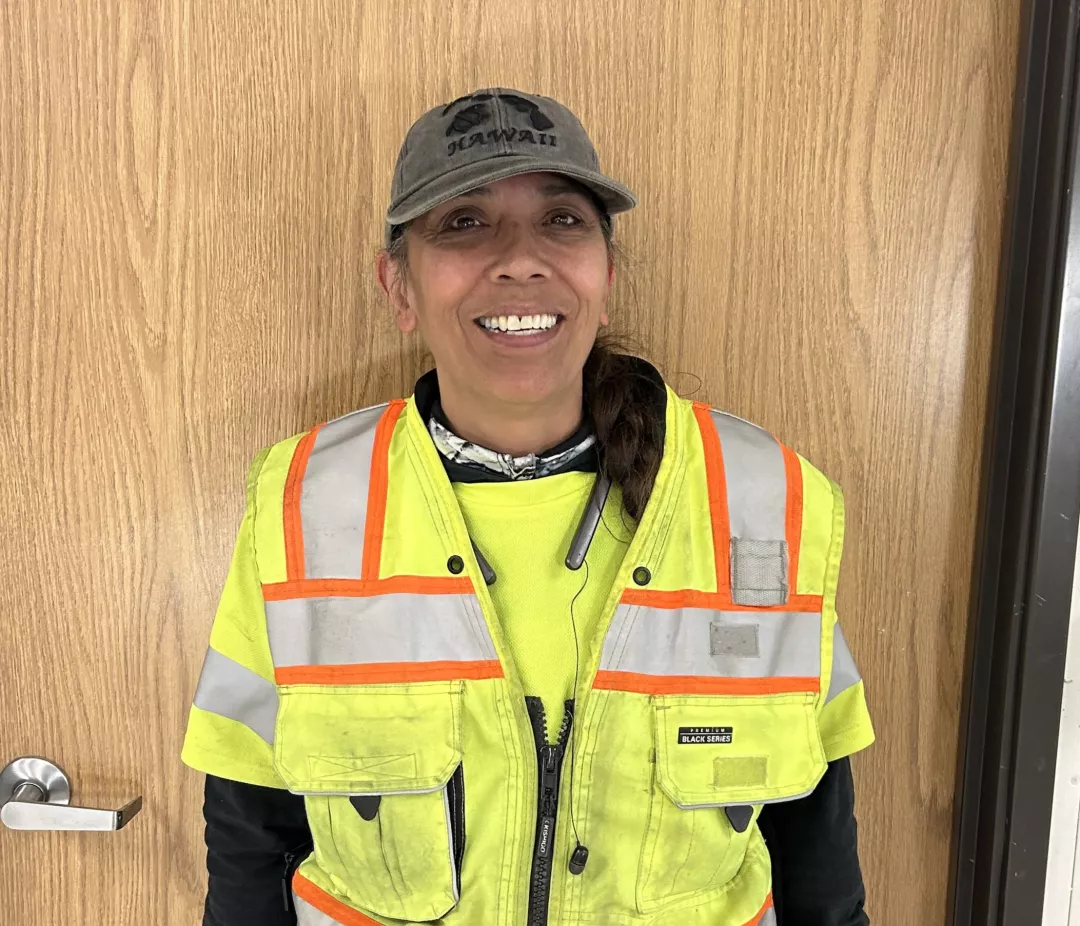
Dani Mclain | I-5 Mounts Road to Steilacoom-DuPont Road
What’s something most people don’t realize about traffic control work?
"It's probably the most dangerous part of our job. It also involves a lot of thinking on your feet because plans always change."
What does a typical day look like for you in your traffic control role?
"A typical day is for me to set up work zones on the shoulder of I-5 or to perform flagging operations on city streets. Sometimes I need to do emergency lane closures using our TMAs to protect the workers and to protect the traveling public."
How do you and your team ensure the safety of both workers and the public in high-traffic areas?
"Proper PPE and signage, keeping our head on a swivel, only implementing approved Traffic Control Plans, looking out for each other, and constant communication."
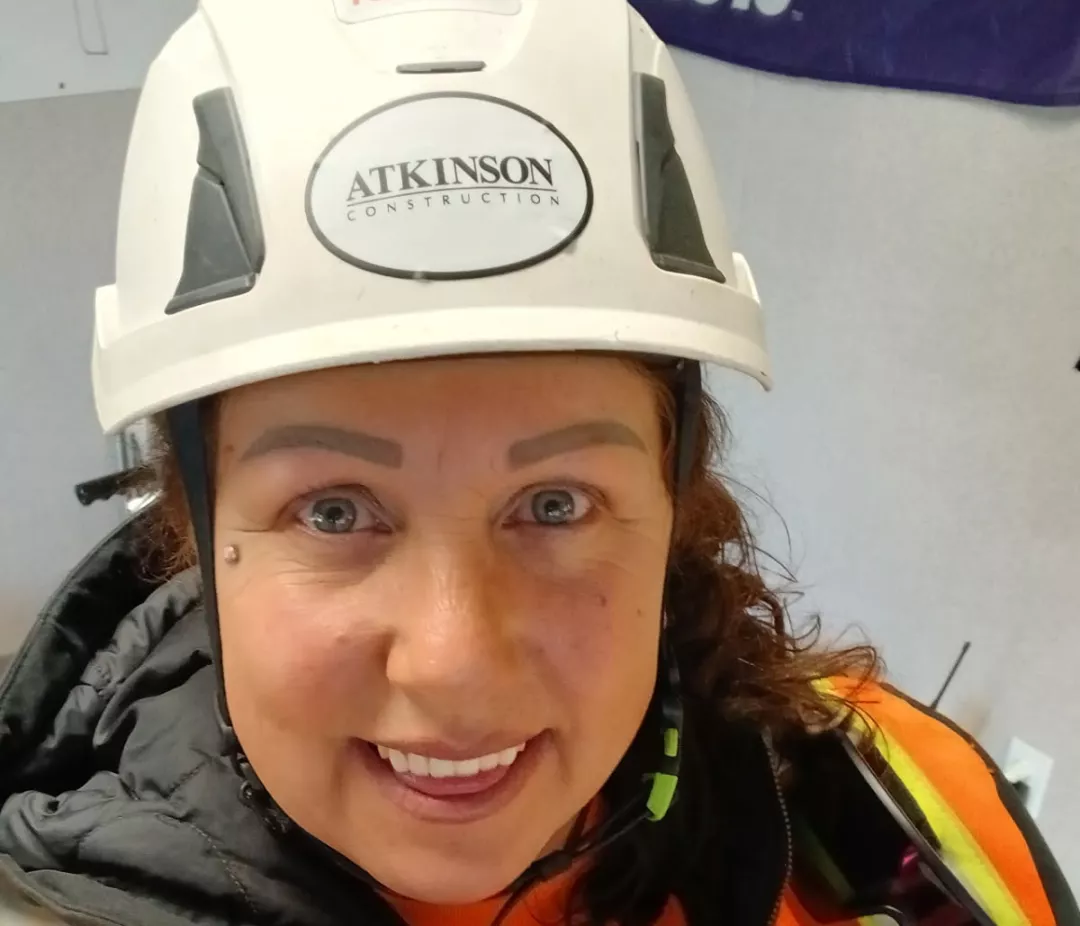
Christian Lugo | SR-14 Lancaster
How do you and your team ensure the safety of both workers and the public in high-traffic areas?
“For workers, we communicate with whomever will be in the closure letting them know when it is completely closed. Also, if available, we will have a shadow truck behind them. With the help of CHP, we place them at the ramps to prevent any breaches. So, we have multiple barriers in place to minimize any breaches reaching the workers. And for pickup, we communicate with the foreman to make sure they are off the freeway. We then do a final drive through to double-check and ensure safety for everyone."
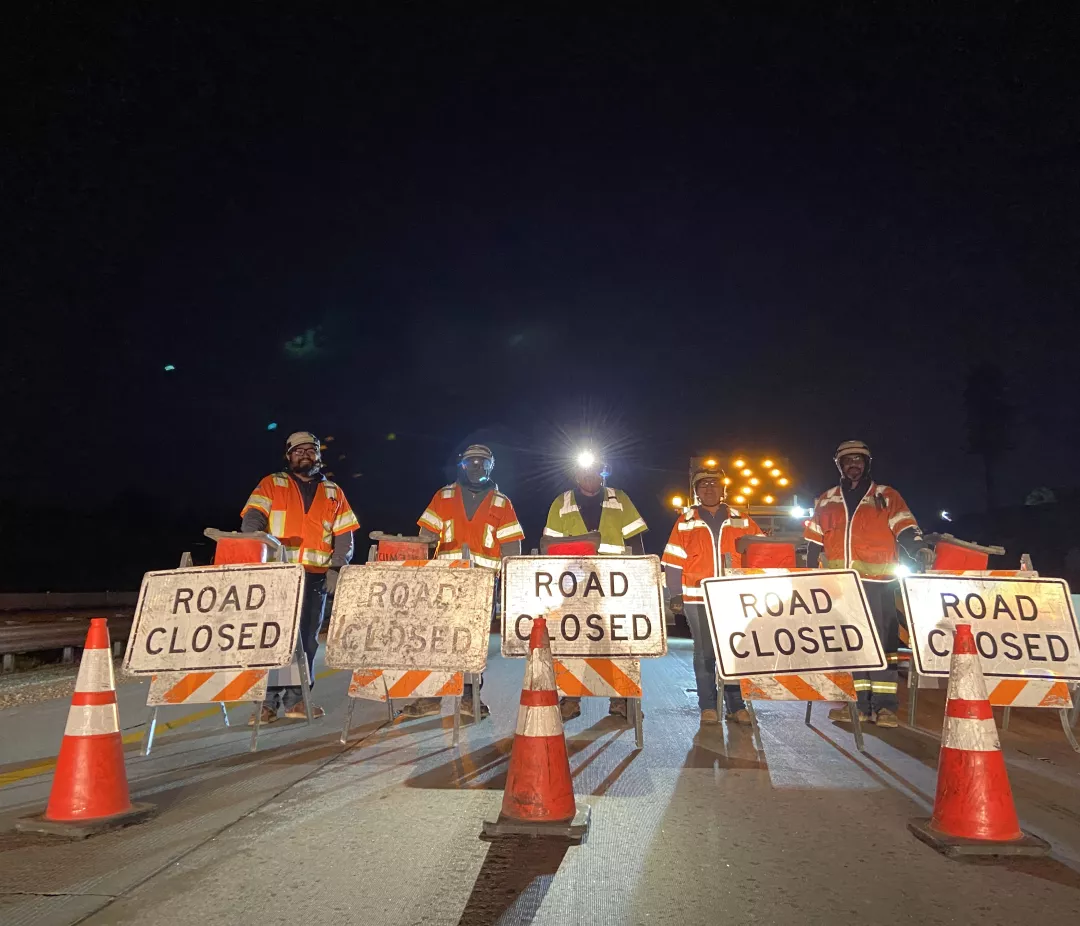
Erin Koecke | I-5 Mounts Road to Steilacoom-DuPont Road
How do you stay alert and focused during long shifts in potentially hazardous environments?
"Making sure you're not having your own distractions and having clear communication with the crew and anyone else involved in the operation. And of course energy drinks."
What’s something most people don’t realize about traffic control work?
"One of the most difficult parts of traffic control is that it can be monotonous at times, so you must stay focused on the task at hand."
What does a typical day look like for you in your traffic control role?
"Setting up closures, filling out appropriate paperwork, checking on closures, giving the crew breaks, and stepping in when needed."
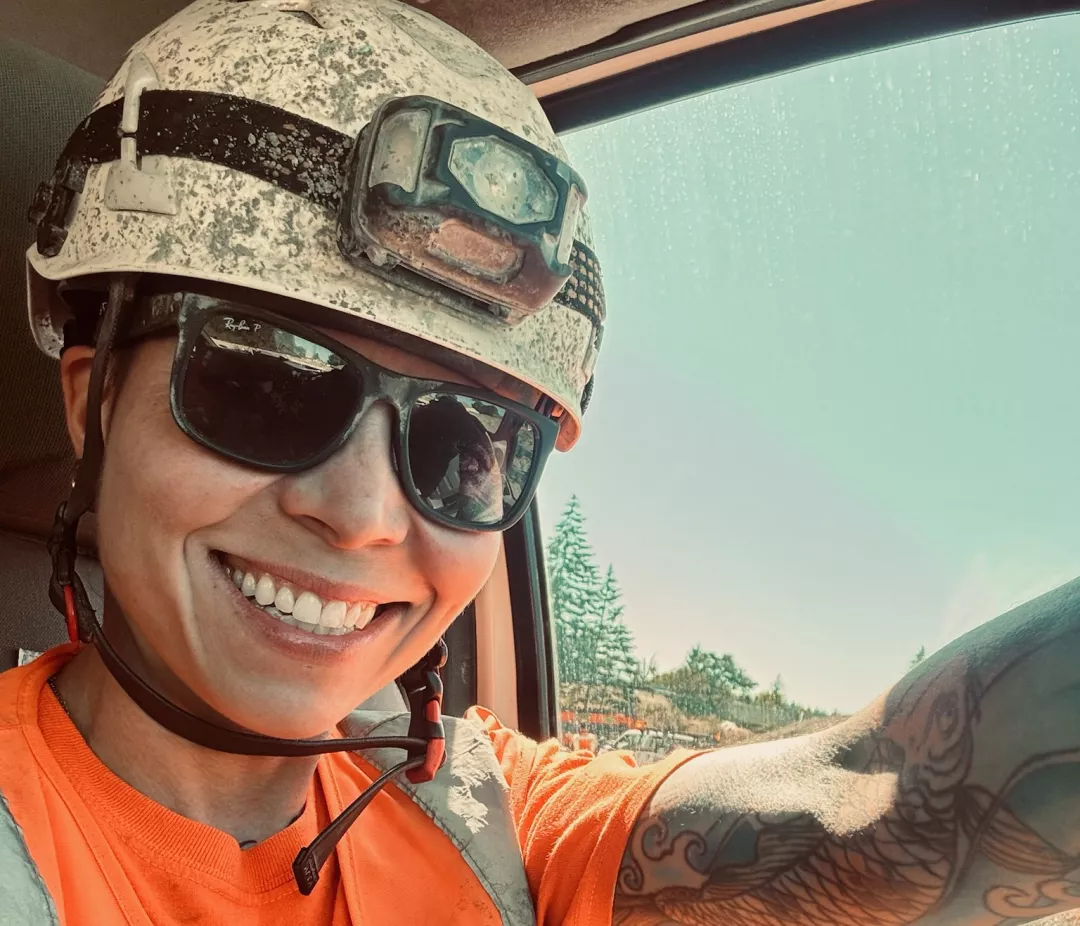
Raul Perez | SLO 46 - Wye Segment
How do you and your team ensure the safety of both workers and the public in high-traffic areas?
"Make sure we communicate and our backs aren't turned towards traffic."
What’s something most people don’t realize about traffic control work?
"It can be dangerous if you're not paying attention and not aware of the traffic."
How do you stay alert and focused during long shifts in potentially hazardous environments?
"Drink water regularly and take breaks - stay hydrated."